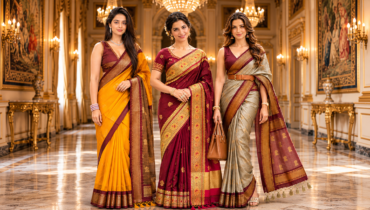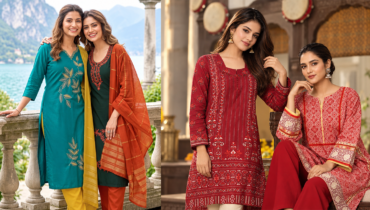
Fashion trends may come and go, but the beauty of Indian textiles remains timeless. Discover the artistry, craftsmanship and cultural heritage behind traditional Indian weaves, and why these treasured fabrics continue to find a place in the modern woman’s wardrobe.
The Beauty of Tradition, Woven Through Generations
Fashion is constantly evolving. New colours, silhouettes and styles emerge every season, influencing the way we dress and express ourselves. Yet, amidst these changing trends, some creations remain beautifully unchanged. Traditional Indian weaves are among them.
Every handwoven textile carries a story. It reflects generations of craftsmanship, regional traditions, artistic expression and the remarkable skills of weavers who transform individual threads into pieces of wearable art. From intricate motifs and delicate borders to the richness of zari work, Indian textiles represent a heritage that goes far beyond fashion.
Today, traditional Indian weaves are experiencing a renewed appreciation. Modern women are embracing these fabrics not only for their cultural significance but also for their versatility, distinctive character and timeless appeal.
At a time when fashion is becoming increasingly personal, traditional textiles offer something truly special: the opportunity to celebrate heritage while expressing individuality.
1. The Rich Heritage of Traditional Indian Weaves
India has one of the world’s most diverse textile traditions. Every region brings its own identity to the art of weaving, shaped by local culture, natural resources, artistic influences and generations of skilled craftsmanship.
From the intricate silk traditions of Maharashtra and Tamil Nadu to the delicate cotton textiles of Bengal and the distinctive woven patterns of Assam, Indian textiles showcase an extraordinary range of techniques and aesthetics.
Some celebrated weaving traditions include:
Paithani – The Art of Maharashtrian Silk
Originating from Maharashtra, Paithani sarees are admired for their vibrant colours, elaborate borders and distinctive motifs. Traditional designs often feature peacocks, flowers and other nature-inspired patterns. Their rich appearance makes them a beautiful choice for weddings and festive occasions.
Banarasi – The Grandeur of Intricate Weaving
Banarasi textiles are renowned for their luxurious silk, elaborate patterns and intricate zari work. Inspired by traditional floral and architectural motifs, these sarees have long been associated with celebrations, weddings and special occasions.
Kanjivaram – A Celebration of Silk and Tradition
Known for their rich silk texture, contrasting borders and traditional motifs, Kanjivaram sarees represent the grandeur of South Indian weaving. Their distinctive colour combinations and elaborate designs make them enduring favourites for important celebrations.
Chanderi – The Elegance of Lightweight Textiles
Chanderi fabrics are appreciated for their lightweight texture, subtle sheen and delicate patterns. Their understated elegance makes them suitable for festive gatherings, formal occasions and sophisticated everyday dressing.
Jamdani – The Beauty of Intricate Motifs
Jamdani is celebrated for its delicate decorative motifs, traditionally woven into fine fabric. Its intricate patterns and artistic detailing reflect the patience and precision involved in traditional textile making.
Each of these traditions represents a unique expression of India’s textile heritage. Together, they demonstrate why traditional Indian weaves continue to inspire designers, fashion enthusiasts and generations of saree lovers.
2. The Art and Craftsmanship Behind Every Thread
What makes a traditional Indian weave truly special is the craftsmanship behind it.
Weaving is an intricate process that requires technical knowledge, patience, creativity and an exceptional understanding of textiles. Every stage, from preparing the yarn to developing patterns and creating the final fabric, contributes to the character of the finished piece.
Traditional handloom weaving involves the careful interlacing of two fundamental sets of threads: the warp, which runs lengthwise, and the weft, which passes across it. By controlling their arrangement, weavers create different textures, patterns and designs.
Some techniques involve additional threads, supplementary yarns or intricate patterning methods to produce elaborate motifs and decorative details.
Unlike mass-produced fabrics, traditional handwoven textiles often carry subtle variations that reflect the individuality of the weaving process. These details are not imperfections; they are part of the fabric’s character and the human artistry behind its creation.
This is what makes Indian textile craftsmanship so remarkable. A saree is not simply a finished garment. It is the outcome of skill, imagination and a rich tradition passed from one generation to another.
3. Zari, Motifs and Borders: The Details That Tell a Story
The beauty of traditional Indian sarees often lies in their smallest details. Borders, motifs, textures and decorative elements come together to create a distinctive visual identity.
The Timeless Beauty of Zari Work
Zari work adds a distinctive richness to Indian textiles. Traditionally created using metallic threads, zari is used to develop decorative borders, intricate motifs and elaborate patterns.
Gold and silver-toned detailing can transform even a relatively simple saree into an elegant occasion-wear ensemble. Whether featured in a broad traditional border or subtle woven accents, zari continues to hold a special place in Indian fashion.
Nature-Inspired Motifs
Flowers, leaves, birds, peacocks and paisley patterns have been recurring elements in traditional Indian textiles. These motifs often draw inspiration from nature, mythology, architecture and regional art forms.
Their enduring appeal comes from their ability to remain relevant across generations while offering endless possibilities for contemporary styling.
Borders That Define Character
A saree’s border can significantly influence its overall appearance. From delicate contrast borders to elaborate zari detailing, borders bring structure, colour and visual balance to the garment.
A beautifully designed border can make a saree feel traditional, contemporary, understated or festive, depending on its colours, proportions and styling.
It is these thoughtful details that make traditional textiles distinctive and memorable.
4. Cotton Silk Sarees: Where Comfort Meets Timeless Elegance
Among the many beautiful ethnic wear fabrics available today, cotton silk holds a special place.
Combining the appeal of cotton with the lustrous character of silk, cotton silk sarees offer a versatile aesthetic that works across different occasions and personal styles.
Their soft texture, graceful appearance and adaptability make them an appealing choice for women who appreciate both comfort and elegance.
Here is why cotton silk sarees deserve a place in a contemporary wardrobe:
A Balanced Aesthetic
Cotton silk offers a beautiful balance between understated texture and refined elegance. It can look equally appropriate at a family gathering, festive celebration or formal occasion, depending on the design and styling.
Versatile Styling Possibilities
These sarees pair beautifully with both traditional and contemporary blouses. A classic matching blouse creates an elegant appearance, while a contrasting blouse introduces a more modern perspective.
Timeless Design Appeal
Traditional patterns, zari borders and thoughtful colour combinations give cotton silk sarees a distinctive identity. They can be styled in different ways without losing their original charm.
Suitable for Different Occasions
From understated daytime gatherings to festive celebrations, cotton silk sarees offer a versatile styling option. Their overall appearance can be transformed with changes in draping, accessories and blouse combinations.
For women looking to combine traditional aesthetics with contemporary sensibilities, cotton silk is a beautiful wardrobe essential.
5. Why Traditional Weaves Still Matter in Modern Fashion
Modern fashion is increasingly influenced by individuality, comfort and conscious choices. Women are looking beyond temporary trends and exploring clothing that offers lasting value, versatility and a distinctive sense of identity.
This shift has created renewed interest in traditional Indian textiles.
They Connect Us with Our Heritage
Traditional textiles offer a meaningful connection to India’s cultural and artistic history. Wearing a saree with heritage-inspired motifs or traditional weaving details allows women to celebrate this legacy in their own way.
They Offer Distinctive Design
In a world of rapidly changing fashion trends, traditional weaves stand apart through their intricate patterns, rich textures and distinctive craftsmanship. They bring character and individuality to a wardrobe.
They Adapt to Contemporary Styling
Traditional fabrics are no longer limited to conventional styling. Pair a heritage-inspired saree with a modern blouse, minimalist jewellery or a contemporary belt, and it can create a completely fresh fashion statement.
They Encourage Thoughtful Wardrobe Choices
A well-chosen traditional saree can remain relevant for years. Instead of depending entirely on seasonal trends, women can build a wardrobe around versatile pieces that can be restyled for different occasions.
They Celebrate the Human Touch
Traditional handloom textiles represent the skill and creativity of artisans and weaving communities. Appreciating these fabrics also means recognising the people and traditions behind their creation.
Traditional weaves are not simply a reminder of the past. They are a living part of India’s evolving fashion identity.
6. Styling Traditional Weaves for the Contemporary Woman
One of the most exciting aspects of traditional textiles is how effortlessly they can be incorporated into modern wardrobes.
You do not need to follow conventional styling rules to wear a traditional saree beautifully. A few thoughtful choices can give heritage-inspired fabrics a completely contemporary personality.
Here are some ways to style them:
- Experiment with blouse designs: Pair traditional sarees with contemporary necklines, structured blouses, statement sleeves or contrasting colours.
- Keep accessories balanced: Let an intricately woven saree take centre stage by choosing minimal jewellery, or complement a simpler saree with statement accessories.
- Explore modern draping: Try an open-pallu style, a neatly structured drape or a belted saree look to introduce a contemporary silhouette.
- Play with colour combinations: Combine traditional sarees with unexpected blouse colours to create fresh and individual looks.
- Choose occasion-appropriate footwear: Classic juttis, embellished sandals and comfortable heels can complement different saree styles.
- Mix traditional and contemporary elements: Pair heritage-inspired textiles with modern handbags, minimalist jewellery and contemporary hairstyles.
The most beautiful styling choices are often the ones that feel natural to the person wearing them.
7. Choosing Ethnic Wear Fabrics That Last Beyond a Season
Building a timeless ethnic wardrobe begins with choosing fabrics and designs that complement your lifestyle.
While appearance is important, factors such as texture, comfort, craftsmanship, versatility and ease of styling should also influence your choices.
Here are a few things to consider when selecting traditional ethnic wear fabrics:
Understand the Fabric
Different fabrics offer different textures, appearances and levels of structure. Consider whether you prefer the softness of cotton, the lustre of silk or the balanced appeal of cotton silk.
Look at the Weaving Details
Pay attention to the borders, motifs, patterns and decorative elements. These details contribute significantly to the saree’s overall character.
Choose Colours That Reflect Your Style
Classic colours such as maroon, royal blue, green, pink and gold remain popular choices for traditional dressing. However, softer pastels and contemporary colour combinations can offer a refreshing alternative.
Consider the Occasion
A richly detailed saree may be perfect for a wedding, while a lighter design with subtle detailing can work beautifully for everyday occasions or formal gatherings.
Prioritise Versatility
Choose designs that can be styled with different blouses and accessories. A versatile saree allows you to create multiple looks without compromising its timeless appeal.
The idea is to build a wardrobe that feels personal, practical and enduring.
8. Tradition Is Timeless. Your Style Is Your Own.
The true beauty of traditional Indian textiles lies in their ability to evolve without losing their identity.
A saree woven with traditional motifs can be styled with a contemporary blouse. A classic zari border can complement modern accessories. A heritage-inspired fabric can become part of an entirely new fashion expression.
This relationship between tradition and modernity is what keeps Indian textiles relevant.
At Pankhita, we believe fashion should celebrate individuality while respecting the beauty of tradition. We draw inspiration from the richness of Indian aesthetics and the evolving preferences of the contemporary woman.
Our philosophy is simple: timeless elegance should leave room for personal expression. Every woman should have the freedom to choose how she dresses, what she celebrates and how she defines her style.
Because true style is never about following every trend. It is about finding beauty in what resonates with you.
Discover Timeless Elegance with Pankhita
Celebrate the beauty of Indian fashion with thoughtfully selected styles that bring together traditional inspiration and contemporary sensibilities.
Whether you are looking for an elegant saree for a special celebration or a versatile addition to your everyday ethnic wardrobe, discover pieces that reflect your personality and celebrate your individuality.
Explore the Pankhita collection and find a style that feels uniquely yours.
Pankhita – Designed for Your Freedom.